
A true home-from-home
Dementia Care Costs at Allegra Care
Every dementia care fee at Allegra Care is set around the person, their needs and the home they choose. Here's what our fees include, how dementia care can be funded and how to get a clear, personalised quote.
Understanding dementia care fees
What do dementia care fees cover?
Our dementia care fees are an all-in weekly fee. They cover your loved one's room, their specialist care and support, and everyday life in their household, so families aren't faced with a long list of separate charges.
The weekly fee includes a private bedroom that residents are encouraged to make their own, fresh meals prepared daily by our hospitality teams, laundry and housekeeping, and 24-hour care from teams trained in dementia care. It also includes the home's daily activities programme and life in a smaller household with its own kitchen and living spaces through the Household Model.
Each fee is set individually. It depends on the level of support your loved one needs (residential dementia care or nursing dementia care), the home and the room you choose. Before anyone moves in, we carry out a free assessment of needs and give you a written quote. Any optional services with an extra charge are listed clearly in your quote and contract. Each home's guide price is shown below.

Paying for dementia care
How dementia care is funded
Dementia care is paid for in one of three ways: privately (self-funding), by the Local Authority, or in full by the NHS through NHS Continuing Healthcare. Which applies depends on your loved one's savings, property and health needs.
In England, the Local Authority looks at your loved one's care needs first, through a free care needs assessment, then at their finances through a means test. The 2026/27 figures below come from the Department of Health and Social Care and the NHS. Our teams welcome residents funded in each of these ways and can talk you through the paperwork.
If your loved one lives in one of our seven homes registered for nursing, they may be eligible for NHS Funded Nursing Care (FNC), which helps cover the cost of nursing. This is currently worth £267.68 per week and is usually paid directly to the care home.
Paying privately (self-funding)
If your loved one has savings and capital over £23,250, including their home in most cases, they will be responsible for paying their care home fees. They can still claim Attendance Allowance (£76.70 or £114.60 a week). The home's value is ignored for the first 12 weeks, and the Local Authority may offer a deferred payment agreement.
Local Authority funding
With capital under £23,250, the Local Authority pays part of the fee; under £14,250, savings are ignored and only income counts. Your loved one keeps a Personal Expenses Allowance of at least £31.80 a week. A relative can pay a top-up if a room costs more than the Local Authority's rate.
NHS Continuing Healthcare
When someone's main needs are health needs, the NHS pays the full fee. A dementia diagnosis alone doesn't qualify. Eligibility is decided by an NHS checklist, then a full assessment of how complex, intense and unpredictable those needs are.
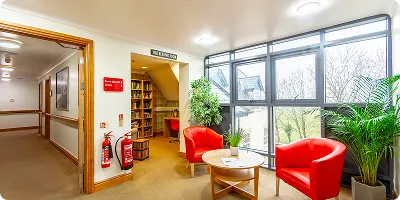
Specialist households
Purpose-designed dementia environments that feel calm, familiar and easy to navigate.
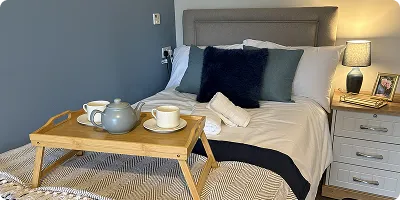
Person-centred care plans
Every resident has a care plan built around their individual history, preferences and needs.

Trained, caring teams
Our staff receive specialist dementia training and are supported to deliver care with real understanding.
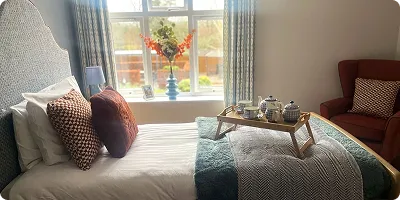
Family involvement
We keep families informed, involved and reassured throughout every stage of the journey.
Families who've been there too
What families say about our dementia care
We're here to help
Want to speak to our team directly?
Talking about money can feel uncomfortable, especially when you're already worried about someone you love. Our teams will explain exactly what's included, answer your funding questions and give you a written quote for the home you're considering, with no obligation.
Learn more
Dementia care funding guides & resources
Paying for care raises a lot of questions, and the answers aren't always easy to find. These guides from our support and advice hub explain the process in plain English, so you can plan ahead with confidence.

Managing care costs and financial support
How care fees are worked out and the financial support that can help.
Questions to consider when self-funding care
What to ask before paying privately, from budgeting to contracts.
What is a care needs assessment?
How the free Local Authority assessment works and why it's the first step.
Care finance advice and FAQs
Answers to the most common questions about paying for a care home.
Choosing a dementia care home
What to look for and what to ask when you visit a home.
Signs it might be time for specialist dementia care
The changes that suggest more support may be needed.
Find a dementia care home
Our homes that offer dementia care
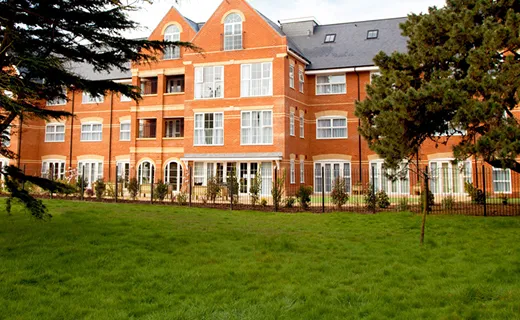
Fairmile Grange
Residential Care
Dementia care
Nursing care
End of life
Respite
- Fairmile Grange , Royal Close, Christchurch, Dorset BH23 2FR
- 01202 120 811
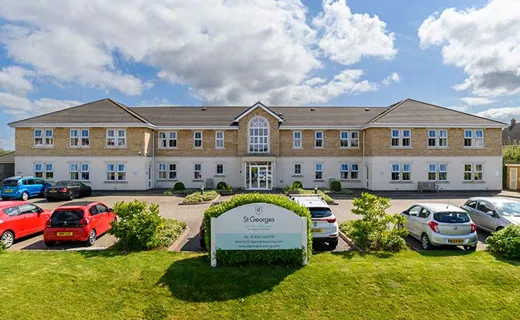
St Georges Nursing Home
Nursing care
Short stay
Dementia care
End of life
Wandering With Purpose
- St Georges Nursing Home, 1 Court Close, Pastures Avenue, St Georges, Weston-super-Mare BS22 7AA
- 01934 524598
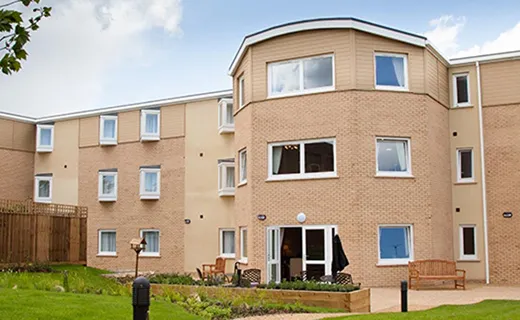
Cherry Blossom Care Home
Nursing care
Respite
Dementia care
Day centre
Residential Care
- Cherry Blossom Care Home, Warwick Road, Peterborough, Cambridgeshire PE4 6DE
- 01733 797879
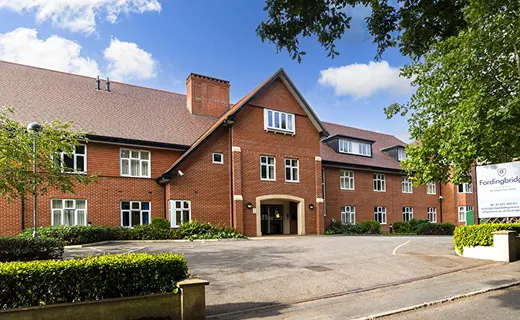
Fordingbridge Care Home
Nursing care
Short stay
Dementia care
Behaviours that Challenge
- Fordingbridge Care Home, Station Road, Fordingbridge, Hampshire SP6 1JW
- 01425 333101
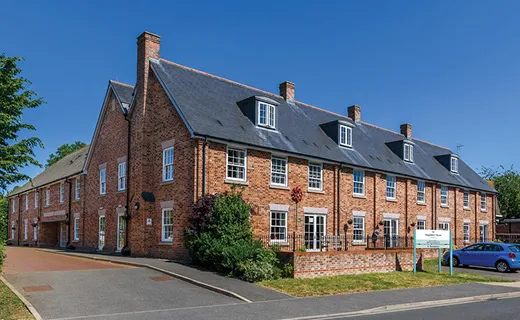
Magdalen House Care Home
Day care
Respite
Dementia care
- Magdalen House Care Home, Magdalen Road, Hadleigh, Ipswich, Suffolk IP7 5AD
- 01473 829411
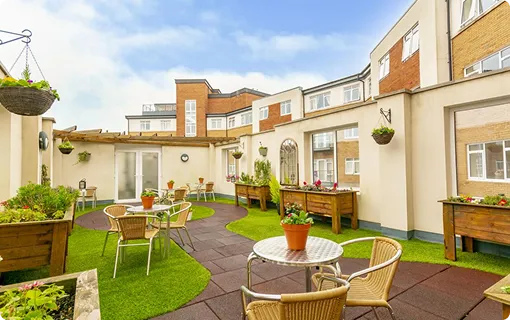
Olive Tree House Care Home
Dementia Care
Nursing care
End of life
Short stay
- Olive Tree House Care Home, Patchway, Bristol BS34 5BH, UK
- 0117 428 1840
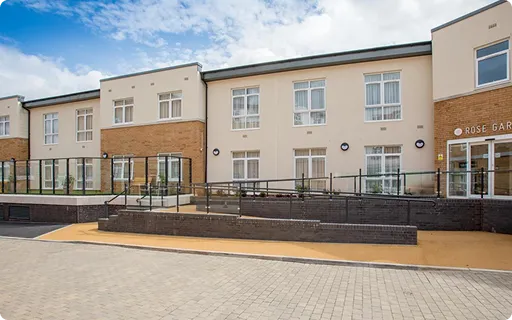
Rose Garden Care Home
Dementia care
Nursing care
Short stay
- Rose Garden Care Home, Chessel Dr, Patchway, Bristol BS34 5FT
- 0117 2359020
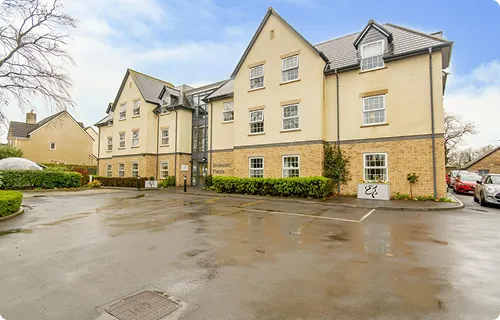
Blossom Fields Nursing Home
Dementia care
Nursing care
Short stay
End of life
- Blossom Fields , 84 – 86 High Street, Winterbourne, Bristol BS36 1RB
- 0117 330 1400
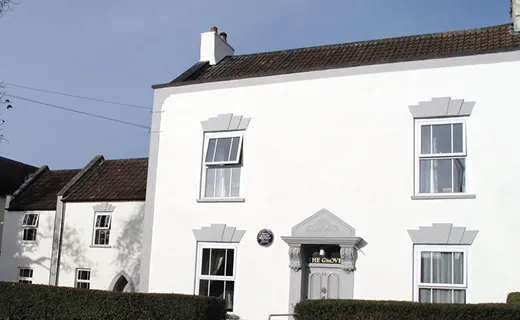
The Grove Residential Home
Residential Care
Dementia care
End of life
Short stay
- The Grove Residential Home, 88 High Street, Winterbourne, Bristol BS36 1RB
- 0117 2359025
Got questions?
Dementia care costs: your questions answered
Guide prices for self-funded care start at between £1,250 and £1,665 a week, depending on the home. Your loved one's actual fee depends on a free assessment of their needs, the level of care and the room, and we confirm it in a written quote. Contact the home you're interested in to arrange an assessment.
Dementia care needs more staff time and specialist skills. Our dementia households are designed to feel calm and familiar and are easy to navigate, and our teams receive specialist dementia training. Smaller households mean more one-to-one time and more support with everyday routines.
The weekly fee covers your loved one's private room, all meals and drinks, laundry and housekeeping, 24-hour personal care, and the home's activities programme. At homes registered for nursing, it also covers nursing care. Any optional services with an extra charge are set out in your quote and contract.
If your loved one's capital is under £23,250, the Local Authority may pay towards their fees after a free care needs assessment and a means test. Under £14,250, savings are ignored and only income is counted. They keep a Personal Expenses Allowance of at least £31.80 a week (2026/27).
The NHS pays the full fee through NHS Continuing Healthcare when someone's main needs are health needs; a dementia diagnosis alone doesn't qualify. At our homes registered for nursing, residents may also be eligible for NHS Funded Nursing Care (FNC), currently worth £267.68 per week and usually paid directly to the care home.
Not straight away. The home isn't counted for the first 12 weeks of a permanent stay, and it is never counted while a husband, wife or partner still lives there. Your Local Authority may also offer a deferred payment agreement, which lets your loved one pay fees from the value of the home later, usually when it's sold.
Yes. If your loved one is funded by the Local Authority and chooses a room that costs more than the Local Authority's rate, a relative or friend can pay the difference as a third-party top-up. The Local Authority must agree the top-up and confirm that the person paying can afford it.
When your loved one's capital is getting close to £23,250, contact the Local Authority and ask for a needs assessment and means test, ideally around three months before. Let the home manager know at the same time, so we can plan together for your loved one to stay settled in their home.
Care finance advice & guidance