
Advice
End-of-life Care Advice
We understand the importance of making well-informed decisions when it comes to your loved ones' care. To help we've curated a collection of person-centered end-of-life care resources, plus frequently asked questions (FAQs) below.


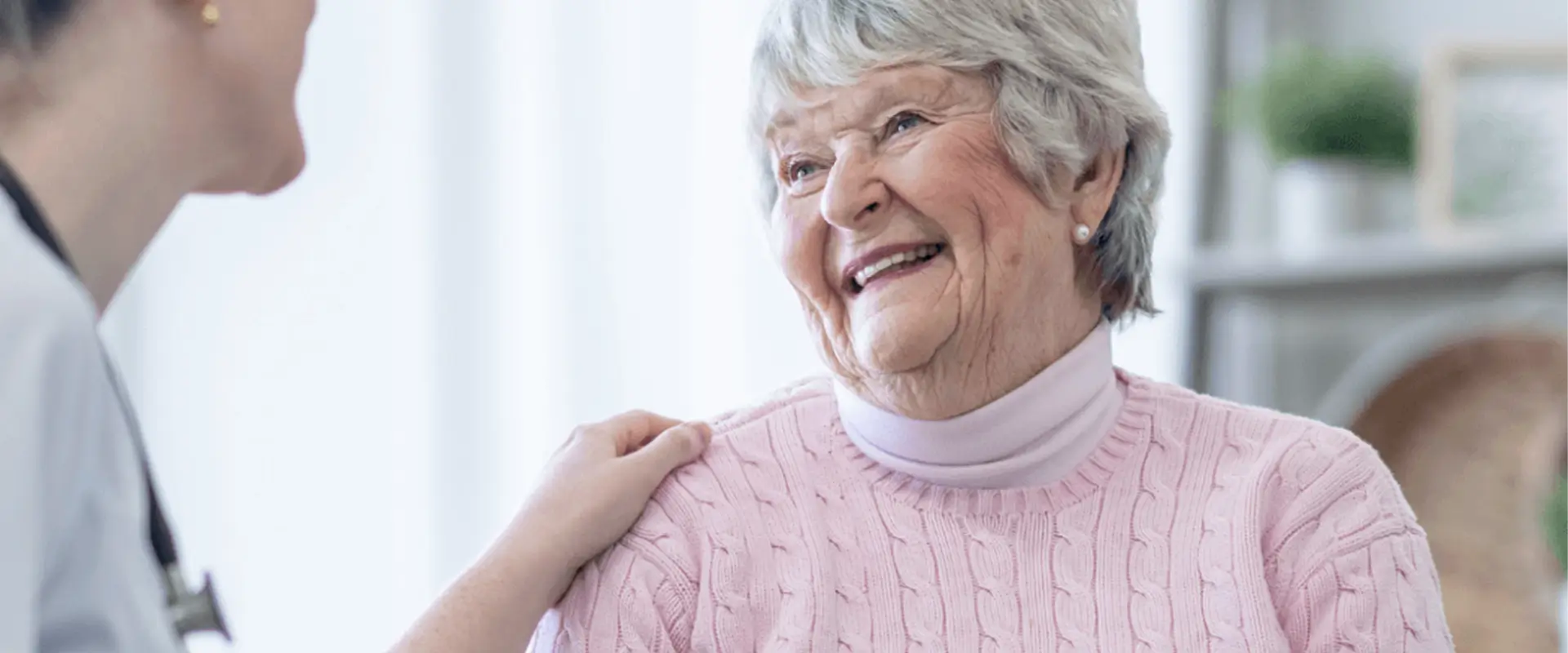
Got questions?
End-of-life FAQ's
Explore our extensive list of frequently asked questions, tailored specifically to address end-of-life care support and advice, helping to provide you with the answers you need to make the most informed decisions for your loved ones.
End-of-life care in a care home refers to the specialised care and support provided to individuals in the final stages of a terminal illness or nearing the end of their life. The focus is on ensuring comfort, dignity, and quality of life during this sensitive time.
End-of-life care homes provide a range of services, including pain and symptom management, emotional support for patients and families, spiritual care, counseling, and assistance with daily activities.
Care homes prioritise the comfort and dignity of residents by managing pain and symptoms effectively, promoting a peaceful and supportive environment, respecting individual preferences and cultural practices, and providing emotional and spiritual support.
Yes, family members are encouraged to be actively involved in end-of-life care decisions. Care homes often engage in open communication with families to ensure that the resident's preferences and wishes are respected.
Yes, many of our care homes offer hospice and palliative care services, while others may work in collaboration with external hospice organisations to provide specialised end-of-life care.
Care home staff typically receive specialised training in palliative and end-of-life care, focusing on pain management, communication skills, emotional support, and addressing the unique needs of residents during this time.
Care homes offer spiritual support and counseling, respecting individual beliefs and practices. Emotional support services are also provided to help residents and families cope with the emotional challenges of end-of-life care.
Yes, care homes work with medical professionals to ensure that residents receive appropriate medical care and treatment during end-of-life care. This may include pain management, medication adjustments, and other medical interventions as needed.
Many care homes offer bereavement support for families, providing counseling and resources to help them cope with grief and loss after the passing of their loved one.
Yes, we very much encourage visits from hospice care providers, family members, and friends to provide additional support and companionship during end-of-life care.
Why Choose End-of-life Care?
End-of-life care homes, also known as hospice or palliative care facilities, are specialized facilities that provide care and support for individuals who are in the final stages of a terminal illness or nearing the end of their life. These care homes are dedicated to ensuring that patients receive the highest quality of care, comfort, and dignity during their last days.
Specialised care
End-of-life care homes have staff trained in providing palliative care, pain management, and emotional support. They focus on managing symptoms and ensuring the patient's comfort, promoting a higher quality of life during the end stages of their illness.
Emotional support
Dealing with terminal illness and the prospect of death can be emotionally overwhelming for patients and their families. End-of-life care homes offer counseling and emotional support services to help patients and families cope with the emotional challenges they are facing.
Dignity and respect
End-of-life care homes prioritise maintaining the patient's dignity and respect during their final days. They strive to create a compassionate and caring environment where patients are treated with empathy and kindness.
Relief for caregivers
For families providing care to a terminally ill loved one at home, the physical and emotional demands can be extremely taxing. End-of-life care homes offer respite care, giving family caregivers a chance to rest and take care of their well-being.
24/7 care and monitoring
End-of-life care homes have round-the-clock medical staff and support, ensuring that patients have access to care and assistance whenever they need it.
Pain management
Pain and symptom management are critical components of end-of-life care. Our facilities are equipped to provide specialised pain management techniques to ensure patients are as comfortable as possible.
Spiritual support
Many end-of-life care homes offer spiritual support and counseling for patients and families, respecting individual beliefs and practices.
Expertise in end-of-life care
Staff at our facilities are experienced in caring for patients at the end of life, ensuring that their medical, emotional, and spiritual needs are met in a comprehensive manner.
Peaceful environment
End-of-life care homes are designed to provide a serene and peaceful atmosphere, allowing patients to spend their final days in a tranquil setting.
Bereavement support
After the passing of a loved one, many end-of-life care homes offer bereavement support to help families cope with grief and loss.
Overall, end-of-life care homes play a vital role in providing compassionate and specialised care for patients nearing the end of their lives. They focus on enhancing the quality of life, ensuring comfort, and supporting patients and their families during a challenging and emotional time.
To find out more about what’s on offer at our individual nursing and care homes, please see our portfolio of homes for further details.
Disclaimer: The information within our support and advice hub is intended for general guidance only. It does not replace professional medical, legal or financial advice. For personalised recommendations relating to health, care needs or financial planning, please speak to your GP, healthcare professional or a qualified financial adviser.