
A true home-from-home
Nursing Care Costs at Allegra Care
Our nursing care fees cover round-the-clock clinical care from registered nurses, set around each person's needs and the home they choose. Here's what our fees include, how NHS-funded Nursing Care and other funding work, and how to get a clear, personalised quote.
Understanding nursing care fees
What do nursing care fees cover?
Our nursing care fees are an all-in weekly fee. They cover your loved one's room, 24-hour clinical care from registered nurses, and everyday life in their household, so families aren't faced with a long list of separate charges.
The weekly fee includes a private bedroom that residents are encouraged to make their own, fresh meals prepared daily by our hospitality teams, laundry and housekeeping, and personal care day and night. It also covers nursing care from registered nurses who are on site around the clock, ongoing health monitoring and medication management, and the home's daily activities programme, all within a smaller household through the Household Model.
Each fee is set individually. It depends on your loved one's clinical needs, the home and the room you choose. Before anyone moves in, we carry out a free assessment of needs and give you a written quote. Any optional services with an extra charge are listed clearly in your quote and contract. Each home's guide price is shown in the home section below.

Paying for nursing care
How nursing care is funded
Nursing care is paid for privately by the Local Authority or, for the most complex health needs, in full by the NHS. Which applies depends on your loved one’s savings, property and health needs.
In England, the Local Authority looks at your loved one's care needs first, through a free care needs assessment, then at their finances through a means test. When you choose a care home in England, you may be eligible for NHS Funded Nursing Care (FNC), which helps cover the cost of nursing. This is currently worth £267.68 per week and is usually paid directly to the care home.
The 2026/27 figures below come from the Department of Health and Social Care and the NHS. All seven of our nursing homes accept each of these funding routes, and our teams can talk you through the paperwork.
Paying privately (self-funding)
If your loved one has savings and capital over £23,250, including their home in most cases, they will be responsible for paying their care home fee. They can still claim Attendance Allowance(£76.70 or £114.60 a week). The home's value is ignored for the first 12 weeks, and the Local Authority may offer a deferred payment agreement.
Local Authority funding
With capital under £23,250, the Local Authority pays part of the care fee; under £14,250, savings are ignored and only income counts. Your loved one keeps a Personal Expenses Allowance of at least £31.80 a week. A relative can pay a top-up if a room costs more than the Local Authority's rate.
NHS Continuing Healthcare
When someone's main needs are health needs, the NHS pays the full fee, including accommodation. Eligibility depends on how complex, intense and unpredictable those needs are, not on a diagnosis. It is decided by an NHS checklist, then a full assessment by at least two professionals.

Qualified nursing teams
Registered nurses are available around the clock to provide expert clinical care and support.

Personalised care plans
Every resident receives a tailored care plan that reflects their healthcare needs and personal preferences.

Continuous monitoring
Residents benefit from ongoing health assessments and close collaboration with healthcare professionals.
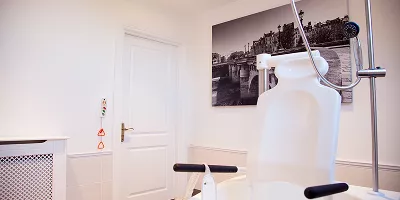
Comfortable households
Purpose-designed environments that provide both professional care and a genuine sense of home.
Families who've been there too
What families say about our nursing care
We're here to help
Want to speak to our team directly?
Arranging nursing care often happens quickly, sometimes straight from a hospital stay, and the funding can feel confusing. Our teams will explain exactly what's included, help you understand NHS-funded Nursing Care and give you a written quote for the home you're considering, with no obligation.
Learn more
Nursing care funding guides & resources
Paying for nursing care raises a lot of questions, and the answers aren't always easy to find. These guides from our support and advice hub explain the process in plain English, so you can plan ahead with confidence.

Managing care costs and financial support
How care fees are worked out and the financial support that can help.
Questions to consider when self-funding care
What to ask before paying privately, from budgeting to contracts.
What is a care needs assessment?
How the free Local Authority assessment works.
Care finance advice and FAQs
Answers to the most common questions about paying for a care home.
End-of-life care advice
Guidance for families when nursing care becomes end-of-life care.
Person-centred care advice
How care plans are built around the person, not just their condition.
Find a Nursing care home
Our homes that offer Nursing care
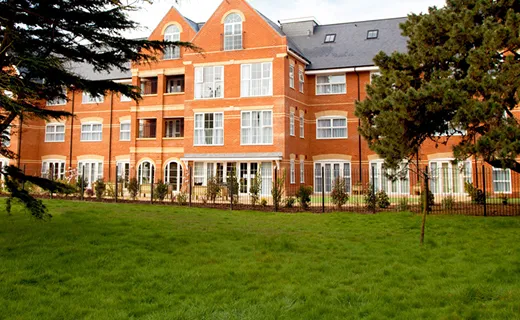
Fairmile Grange
Residential Care
Dementia care
Nursing care
End of life
Respite
- Fairmile Grange , Royal Close, Christchurch, Dorset BH23 2FR
- 01202 120 811

St Georges Nursing Home
Dementia care
Nursing care
End of life
Short stay
Wandering With Purpose
- St Georges Nursing Home, 1 Court Close, Pastures Avenue, St Georges, Weston-super-Mare BS22 7AA
- 01934 524598
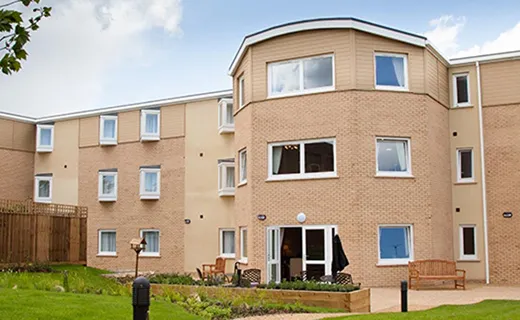
Cherry Blossom Care Home
Nursing care
Residential Care
Dementia care
Respite
Day centre
- Cherry Blossom Care Home, Warwick Road, Peterborough, Cambridgeshire PE4 6DE
- 01733 797879
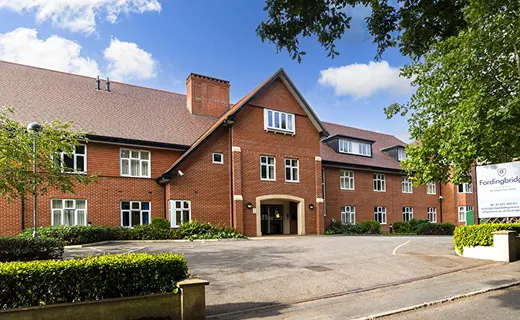
Fordingbridge Care Home
Nursing care
Short stay
Dementia care
Behaviours that Challenge
- Fordingbridge Care Home, Station Road, Fordingbridge, Hampshire SP6 1JW
- 01425 333101

Olive Tree House Care Home
Dementia care
Nursing care
Respite care
End of life care
- Olive Tree House Care Home Patchway, Bristol BS34 5BH, UK
- 0117 428 1840
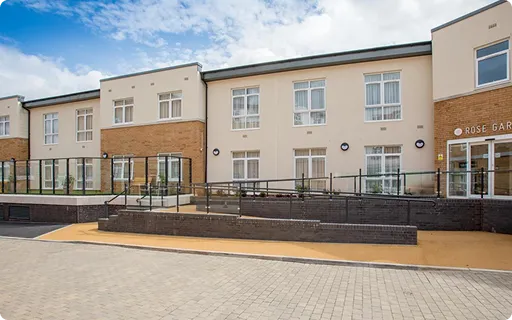
Rose Garden Care Home
Dementia care
Nursing care
Short stay
- Rose Garden Care Home, Chessel Dr, Patchway, Bristol BS34 5FT
- 0117 2359020

Blossom Fields Nursing Home
Dementia care
Nursing care
End of life
Short stay
- Blossom Fields , 84 – 86 High Street, Winterbourne, Bristol BS36 1RB
- 0117 330 1400
Got questions?
Nursing Care Costs FAQs
Guide prices for self-funded care at our seven nursing homes start at between £1,450 and £1,665 a week, depending on the home. Your loved one's actual fee depends on a free assessment of their clinical needs and the room, and we confirm it in a written quote. Contact the home you're interested in to arrange an assessment.
A nursing home has registered nurses on site 24 hours a day, alongside carers. That clinical cover, plus ongoing health monitoring and medication management, is what makes nursing care cost more.
The weekly fee covers your loved one's private room, all meals and drinks, laundry and housekeeping, 24-hour personal care, nursing care from registered nurses and the home's activities programme. Any optional services with an extra charge are set out in your quote and contract.
When you choose a care home in England, you may be eligible for NHS Funded Nursing Care (FNC), which helps cover the cost of nursing. This is currently worth £267.68 per week and is usually paid directly to the care home. It is for people who need care from a registered nurse but don’t qualify for NHS Continuing Healthcare.
If your loved one's capital is under £23,250, the Local Authority may pay towards the care part of their fee after a free care needs assessment and a means test. Under £14,250, savings are ignored and only income is counted. They keep a Personal Expenses Allowance of at least £31.80 a week (2026/27).
Only through NHS Continuing Healthcare. If someone's main needs are health needs, the NHS pays the full fee, including accommodation. Eligibility depends on how complex, intense and unpredictable those needs are, assessed through an NHS checklist and then a full assessment by at least two professionals.
Not straight away. The home isn't counted for the first 12 weeks of a permanent stay, and it is never counted while a husband, wife or partner still lives there. Your Local Authority may also offer a deferred payment agreement, which lets your loved one pay fees from the value of the home later, usually when it's sold.
When your loved one's capital is getting close to £23,250, contact the Local Authority and ask for a needs assessment and means test, ideally around three months before. Let the home manager know at the same time, so we can plan together for your loved one to stay settled in their home.
Care finance advice & guidance